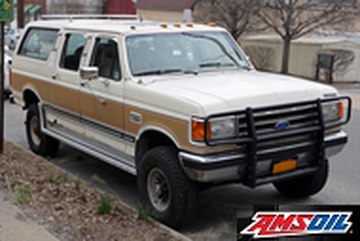
Maintaining Lubrication Standards for the 1981 Ford Trucks BRONCO 5.0L
Proper engine maintenance is a cornerstone of long-term vehicle health, particularly for an engine like the 5.0L found in this 1981 Ford Trucks Bronco. While many aspects of vehicle care involve mechanical adjustments or part replacements, the management of engine oil remains one of the most impactful ways to ensure the internal components continue to operate as intended.Monitoring Fluid Integrity and Condition
A proactive approach to maintenance involves more than just following a schedule; it requires an observant eye during routine inspections. For a vehicle of this age, monitoring the condition of the engine oil can provide significant insight into the overall state of the engine. When checking the lubricant, look for changes in color or consistency. While oil naturally darkens over time due to use, extreme discoloration or a gritty texture may warrant closer investigation. Additionally, observing the area around the engine for signs of seepage is a practical habit. Inspecting gaskets and seals for any evidence of weeping or active leaks can help identify issues before they escalate into more significant mechanical concerns. If you notice any unusual odors or changes in how the vehicle operates shortly after a service, these should be investigated. It is important to remember that various symptoms—such as an unusual smell or a change in engine sound—can have multiple underlying causes. Rather than jumping to a conclusion about a specific component, use these observations as a prompt to perform a more thorough inspection of the engine bay.Prioritizing Service Based on Current Condition
As vehicles age, maintenance strategies often shift from strictly following a calendar to focusing on the actual condition of the components. For the 1981 Ford Trucks Bronco, this means prioritizing tasks based on what is observed during physical inspections rather than relying solely on the vehicle's age. If you are stepping into ownership without a complete service history, establishing a maintenance baseline is an excellent first step. This involves documenting the current state of all fluids, checking the condition of any visible belts or hoses (if equipped), and noting any existing leaks or minor issues. Once this baseline is established, you can more accurately track changes over time. When deciding where to direct your attention and budget, address active concerns first. An active leak or a noticeable change in fluid consumption should take precedence over general preventive measures. By focusing on the current mechanical reality of the 5.0L engine, you can make more informed decisions about which maintenance tasks are necessary and which are merely elective.Managing Aging Engine Components
Maintaining an older vehicle requires a different mindset than maintaining a new one. Instead of assuming that every part is nearing the end of its life, focus on inspecting aging materials for actual signs of deterioration. For example, if the vehicle is equipped with various drive belts, inspect them for evidence of cracking, glazing, or fraying. Similarly, if there are visible cooling hoses present, check them for softness, swelling, or brittleness. These visual checks are simple but effective ways to monitor the integrity of rubber and polymer components that naturally degrade over time due to heat and age. Electrical connections and wiring should also be monitored. Over several decades, connectors can become brittle or develop corrosion, which may impact the reliability of various systems. A clean and secure electrical connection is vital for the consistent operation of engine-related sensors and components.The Role of Lubrication in Engine Longevity
Engine oil performs several critical roles that are essential to the continued operation of the 5.0L powerplant. Beyond simply reducing friction between moving parts, the lubricant plays a significant role in managing the thermal environment within the engine. As the engine operates, heat is generated throughout the block and head; the oil helps to carry this heat away from critical areas, assisting the cooling system in maintaining stable operating temperatures. Furthermore, the oil acts as a cleaning agent. As it circulates, it helps to suspend microscopic particles and prevent them from settling into deposits or sludge. Maintaining clean, fresh oil is one of the most effective ways to manage these internal contaminants. Regular attention to the lubrication system ensures that the engine remains free from the buildup that can eventually impede mechanical movement or affect performance.Effective Record Keeping for Long-Term Ownership
For owners of a 1981 Ford Trucks Bronco, keeping a detailed service log is one of the most valuable tools available. A well-maintained record provides a clear history of what has been done, when it was done, and what parts were used. This is particularly helpful if you are trying to establish a maintenance baseline or if you are attempting to diagnose a new issue. A useful log should include:- Dates of oil and filter changes.
- Observations regarding fluid color or consumption levels.
- Details of any repairs or component replacements.
- Notes on any visible leaks or unusual noises observed during inspections.